Transaction Verification Mechanisms and Their Impact on Mobile Slot and Blackjack Session Durations
Written by Quinn Keller · Oct 20, 2026

Transaction Verification Mechanisms and Their Impact on Mobile Slot and Blackjack Session Durations
Transaction verification processes play a central role in determining how long players remain active during mobile sessions that combine slot games and blackjack tables, since these steps confirm fund movements before additional rounds can begin. Data from industry reports indicate that streamlined verification reduces interruptions, allowing sessions to extend across multiple game types without repeated login cycles or balance checks. Observers note that October 2026 figures reveal continued growth in mobile transaction volumes, with verification protocols adapting to handle both instant reel spins and live dealer card dealings on the same handheld devices.
Payment authentication occurs through secure gateways that cross-reference user details against banking records, and this step directly influences whether a player can switch from slots to blackjack without exiting the application. Research indicates that systems using real-time tokenization complete these checks in under five seconds on average, which supports longer continuous play windows compared to older batch-processing methods. Those who have analyzed platform logs find that shorter verification times correlate with increased transitions between game formats, particularly when bonus credits require confirmation before activation.
Core Components of Verification Across Game Formats
Verification frameworks incorporate multiple layers including device fingerprinting, biometric confirmation, and payment processor handshakes, each designed to maintain security while minimizing delays during mobile play. In slot sessions, automated reel outcomes proceed once the initial deposit clears, yet blackjack tables demand additional checks because live dealer interactions involve real-time betting adjustments. Figures from the American Gaming Association show that platforms integrating unified verification for both formats report higher average session lengths, with data points collected through October 2026 highlighting a 12 percent rise in cross-game activity on verified accounts.
One analysis of transaction logs demonstrated that players encounter fewer friction points when verification status carries over between slot reels and card tables, since the system retains authenticated balances without requiring fresh approvals for each switch. This continuity proves especially relevant in environments where regulatory requirements mandate separate tracking for chance-based and skill-influenced games, yet single-session mobility remains a priority.
Session Extension Patterns in Mobile Environments
Extended play emerges when verification timelines align with game pacing, allowing users to deposit, verify, and resume action before attention shifts away from the device. Studies of mobile casino ecosystems indicate that slots benefit from near-instant reel starts after verification, while blackjack sessions extend further when card table interfaces preload authenticated funds for quick bet placement. Data collected across multiple operators reveal that combined slot and table play increases total session duration by factors tied directly to verification speed rather than game mechanics alone.
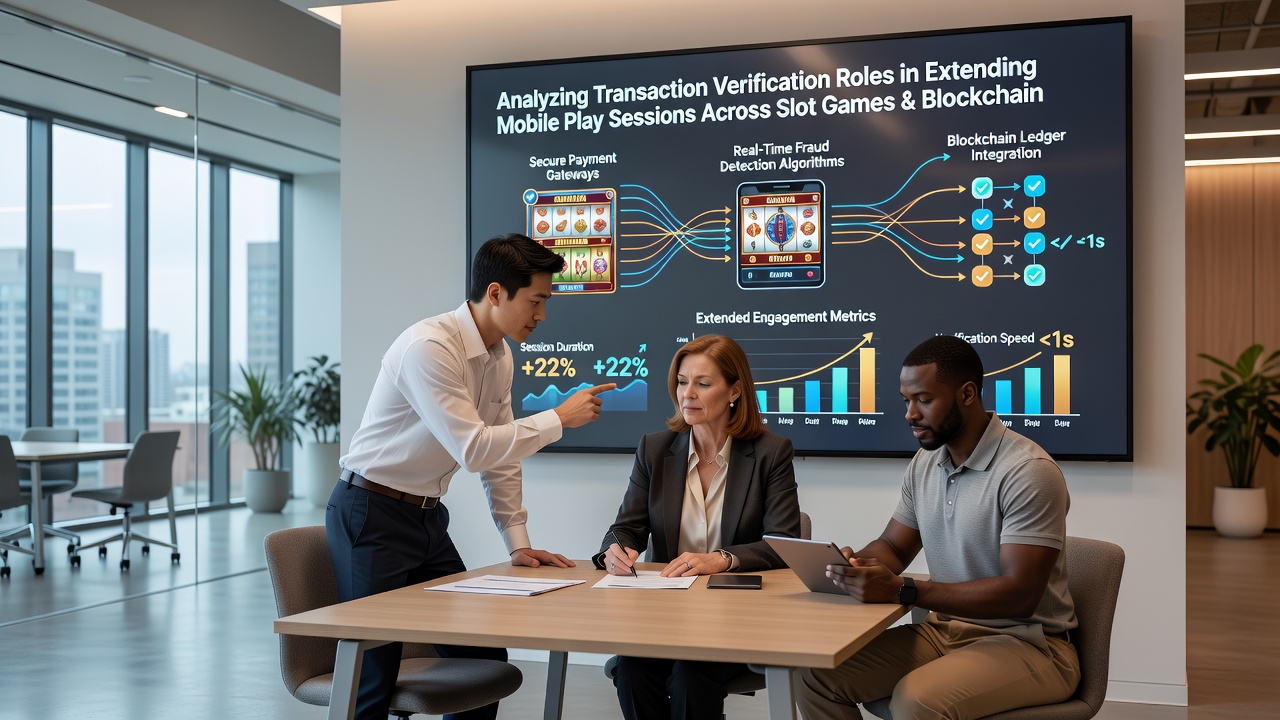
What's notable is how platforms time these verifications to coincide with natural game breaks, such as after a slot bonus round completes or between blackjack hands, thereby sustaining momentum without forcing users to reauthenticate mid-session. Research from academic sources including reports issued by the University of Nevada, Reno gaming studies department points to measurable differences in retention rates when verification occurs seamlessly across formats.
Regulatory and Technical Influences on Verification Speed
Regional licensing bodies impose standards that shape how quickly transactions receive approval, with frameworks in jurisdictions such as New Jersey and Malta requiring audit trails that verification systems must satisfy before play continues. These rules affect both slot sequences and blackjack tables because each format generates distinct transaction records that feed into compliance reports. Observers tracking October 2026 updates note that operators adopting API-based verification have shortened average approval windows, which in turn supports the extended mobile sessions documented in platform analytics.
Technical integrations with payment networks further determine outcomes, since real-time rails like those offered through certain fintech partnerships bypass slower clearing houses and keep balances available across game switches. Evidence from industry organizations including the European Gaming and Betting Association underscores that such integrations reduce drop-off rates during transitions from reels to tables.
Conclusion
Transaction verification serves as the operational bridge that connects deposit actions to sustained engagement across mobile slot games and blackjack tables, with performance metrics showing clear ties between approval efficiency and overall session length. Current data through October 2026 continue to reflect these patterns as platforms refine their processes to meet both security mandates and user expectations for uninterrupted play. Additional examination of verification logs across operators provides ongoing insight into how these mechanisms shape mobile gaming continuity without introducing subjective interpretations of player behavior.