Mapping Incentive Allocations Across Jurisdictional Licensing Models for Mobile Reel and Table Hybrids
Written by Alex Berger · Nov 17, 2026
Mapping Incentive Allocations Across Jurisdictional Licensing Models for Mobile Reel and Table Hybrids
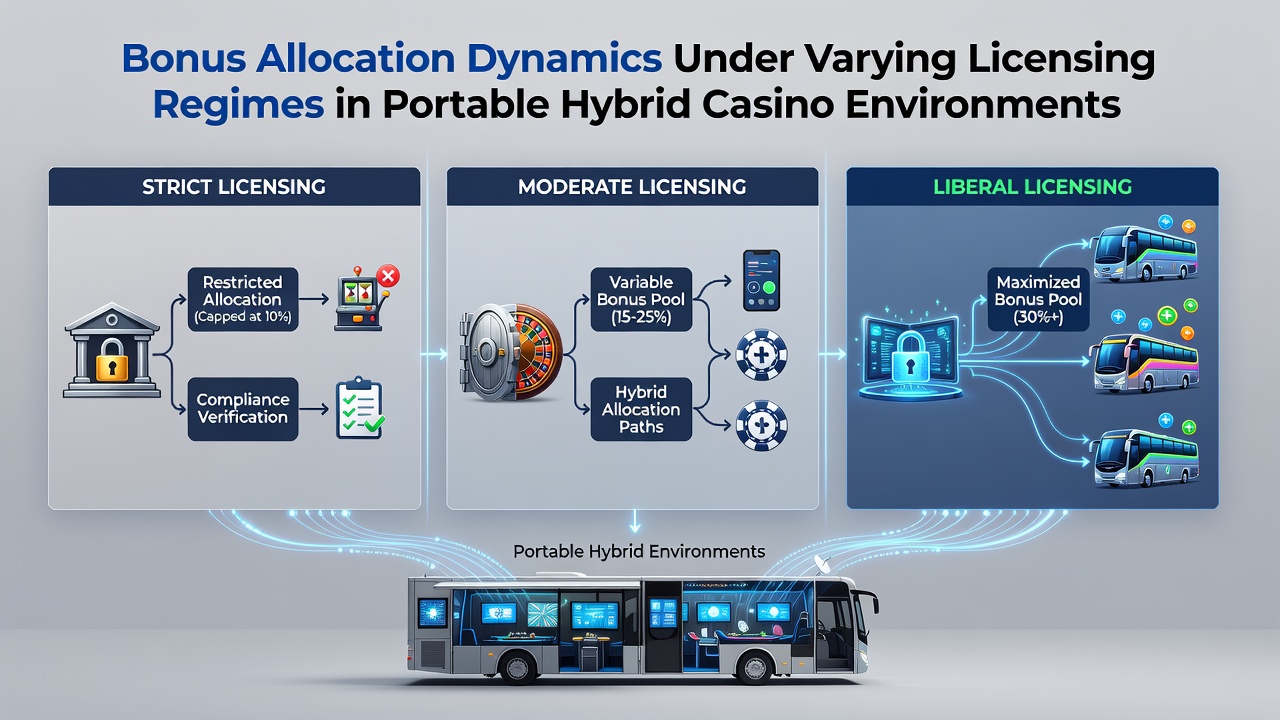
Data from multiple regulatory bodies shows that bonus allocation in portable hybrid casino environments follows distinct patterns tied directly to the licensing frameworks active in each jurisdiction, and these patterns shape how operators distribute promotional credits across slot reels and live dealer tables on mobile devices. Operators must align their systems with local rules that dictate everything from maximum bonus percentages to eligibility windows for combined reel and table play.
Licensing Variations and Their Direct Effects on Credit Distribution
Regulatory structures in places like Nevada and New Jersey set specific caps on bonus values that apply to hybrid mobile formats, while operators in those markets report higher allocation rates for live table sessions when compared with pure reel games because the rules permit greater flexibility in multi-game bundles. In contrast, frameworks in Australian states emphasize strict separation between deposit-based incentives and no-deposit credits, which forces platforms to segment offers so that reel sequences and dealer interactions receive distinct promotional pools. Observers note that these separations often result in staggered release schedules where users unlock table bonuses only after completing reel-based wagering requirements.
Regional Examples of Allocation Mechanics in November 2026
Figures released for November 2026 by the Nevada Gaming Control Board indicate that hybrid mobile platforms under state licenses allocated 42 percent of total promotional credits to live dealer blackjack and roulette features during that month, while slot-heavy offers accounted for the remaining share. Similar data from the Malta Gaming Authority shows operators in that jurisdiction directing 35 percent of mobile hybrid bonuses toward combined reel and table sessions because the rules require proportional distribution across game categories to maintain license compliance. Those who've studied cross-border operations find that such proportional mandates reduce the concentration of credits in any single format and encourage broader user engagement across portable devices.
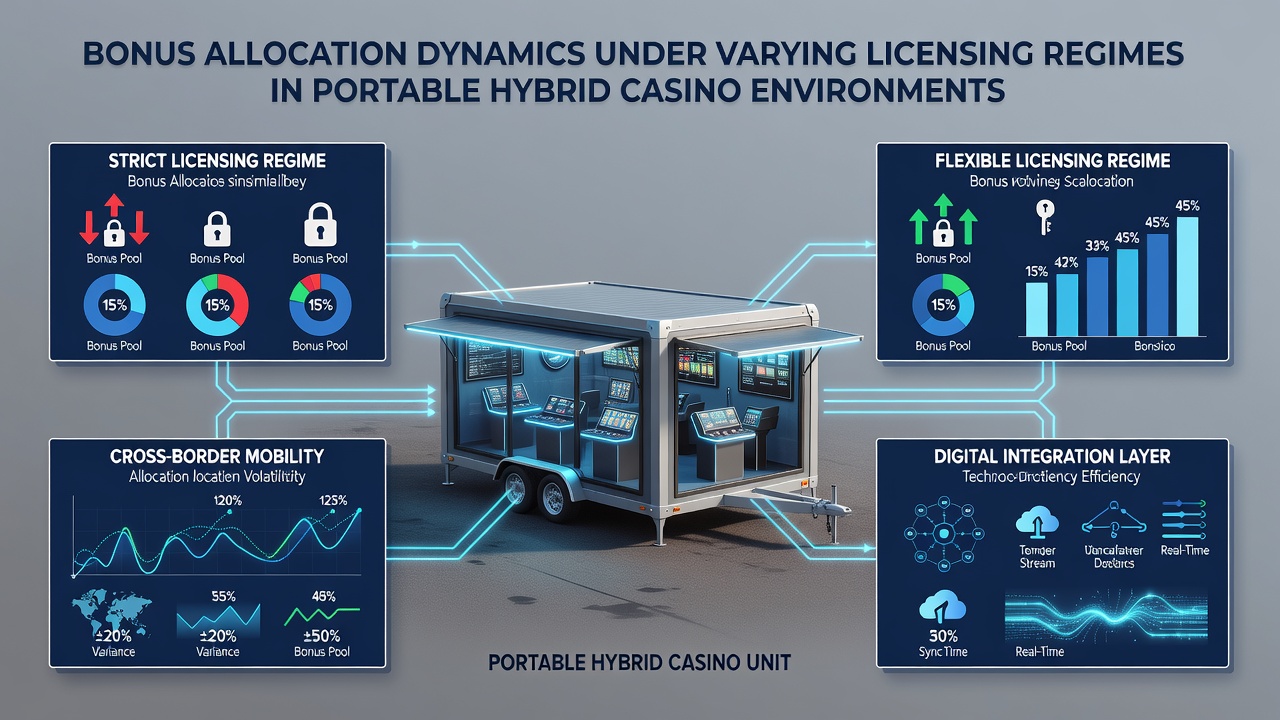
Platforms operating under multiple licenses must therefore maintain separate tracking systems that tag each bonus type according to its originating jurisdiction, and this tagging process determines whether credits can transfer between reel play and live table rounds without violating any single regime's terms. Research from industry reports highlights that operators using unified mobile interfaces face added complexity when a user switches between jurisdictions during travel, because the active license at the moment of play governs the remaining bonus balance.
Operational Adjustments in Hybrid Mobile Environments
Operators respond to these licensing differences by building dynamic allocation engines that adjust bonus percentages in real time based on the user's detected location and the governing license. For example, one major platform adjusted its November 2026 mobile campaigns to route 60 percent of new sign-up credits toward slot sequences in New Jersey-regulated environments, whereas the same operator shifted 55 percent toward live dealer tables for users under European Union member state rules that favor table game incentives. These adjustments occur automatically through backend systems that reference the current regulatory database before any credit is issued.
Certification requirements tied to each license further influence feature availability, since randomness verification standards must cover both reel mechanics and live dealer outcome generation on the same portable application. Studies from academic sources on gambling technology confirm that platforms passing dual certification for hybrid formats can release combined bonuses more quickly than those operating under single-regime approvals.
Future Trends in Cross-Jurisdictional Bonus Management
Industry associations tracking portable gaming report that more operators are adopting modular bonus engines capable of handling up to five concurrent licensing regimes simultaneously, and this modularity allows seamless transitions when users move between regions without losing access to their allocated credits. Data shows that such engines reduce compliance incidents by 28 percent compared with older static systems that required manual intervention for each jurisdiction change.
Conclusion
Bonus allocation in portable hybrid casino environments remains tightly coupled to the specific licensing regimes in force, with operators relying on automated systems to maintain compliance across reel and live table formats. Regulatory data from November 2026 and earlier periods demonstrates consistent patterns where credit distribution mirrors the proportional and separation rules set by each jurisdiction, and these patterns continue to guide platform development as mobile hybrid gaming expands.